Guides
Common Herbal Supplements
Common does not mean interchangeable or low-risk. Start with what a supplement is, what human research has found, and which medication questions matter before you follow the condition claim.
Start with the record, not the promise
A familiar supplement name can hide three different things: a food, a traditional preparation, and a concentrated extract. Those forms do not automatically share the same evidence, dose, or interaction risk.
This collection gives you the useful first layer. Open the source record, check the exact plant and part, read what modern studies actually tested, then look at safety before connecting the herb to a condition.
Stress, sleep, and energy
Ashwagandha, Asian ginseng, German chamomile, valerian, maca, and kava are often sold in the same broad wellness aisle. They are not the same category. The evidence ranges from modest short-term findings to mixed results, and kava carries a serious liver warning that changes the conversation completely.
Liver, cholesterol, and metabolic claims
Milk thistle, dandelion, turmeric, black seed, green tea, and red yeast rice often appear beside liver, glucose, or cholesterol claims. Read the studied effect and the product form together. Red yeast rice can behave like lovastatin, while concentrated green tea carries risks that ordinary brewed tea does not.
Circulation and medication questions
Garlic, ginkgo, cranberry, feverfew, and licorice root all have interaction questions that matter more than a generic safe-or-unsafe label. Anticoagulants, antiplatelet medicines, blood pressure treatment, transplant medicines, and drug-metabolism enzymes show up repeatedly, but not with equal evidence.
Respiratory and immune products
Elderberry, echinacea, and goldenseal are commonly grouped around colds and respiratory symptoms. Elderberry and echinacea have limited and mixed human evidence. Goldenseal has no rigorous evidence for a health condition, but it has a well-documented ability to interfere with medication processing.
Menopause, urinary, and reproductive use
Saw palmetto, black cohosh, evening primrose oil, cranberry, and maca are tied to different urinary, menopausal, or reproductive claims. The useful question is not whether each one is popular. It is whether the claimed outcome, preparation, and safety record match the reason you are looking.
Read the interaction record first
Start with the interaction page when you take prescription medicine, have surgery coming up, are pregnant or breastfeeding, or are managing liver, kidney, bleeding, seizure, thyroid, transplant, or hormone-sensitive conditions. The library separates established interactions from case reports, laboratory findings, and theoretical concerns so uncertainty stays visible.
This is an educational reference, not a treatment recommendation. Bring the exact product label and your medication list to a pharmacist or qualified healthcare professional when a record raises a concern.
Related Herb Monographs
Herb Monograph
Ashwagandha
Open monograph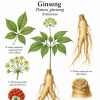
Herb Monograph
Ginseng
Open monographHerb Monograph
German Chamomile
Open monograph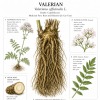
Herb Monograph
Valerian Root
Open monographHerb Monograph
Maca
Open monographHerb Monograph
Kava
Open monographHerb Monograph
Milk Thistle
Open monograph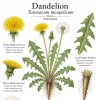
Herb Monograph
Dandelion
Open monograph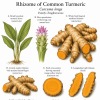
Herb Monograph
Rhizome of Common Turmeric
Open monograph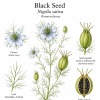
Herb Monograph
Black Seed
Open monograph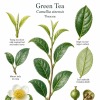
Herb Monograph
Green Tea
Open monograph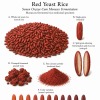
Herb Monograph
Red Yeast Rice
Open monograph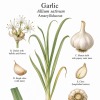
Herb Monograph
Garlic
Open monograph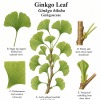
Herb Monograph
Ginkgo Leaf
Open monographHerb Monograph
Cranberry
Open monographHerb Monograph
Feverfew
Open monograph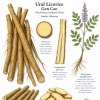
Herb Monograph
Raw Licorice Root
Open monographHerb Monograph
Elderberry
Open monograph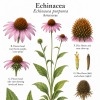
Herb Monograph
Echinacea
Open monographHerb Monograph
Goldenseal
Open monographHerb Monograph
Saw Palmetto
Open monographHerb Monograph
Black Cohosh
Open monographHerb Monograph
Evening Primrose Oil
Open monograph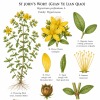
Herb Monograph
St John's Wort
Open monographView Herb Monographs
Move readers back to the source-record layer.
Best for: public, students, practitioners